lthough Nicolas-Joseph Cugnot is often credited with building the first self-propelled mechanical vehicle or automobile in about 1769 by adapting an existing horse-drawn vehicle, this claim is disputed by some, who doubt Cugnot's three-wheeler ever ran or was stable.
In Russia, in the 1780s, Ivan Kulibin developed a human-pedalled, three-wheeled carriage with modern features such as a flywheel, brake, gear box, and bearings; however, it was not developed further.
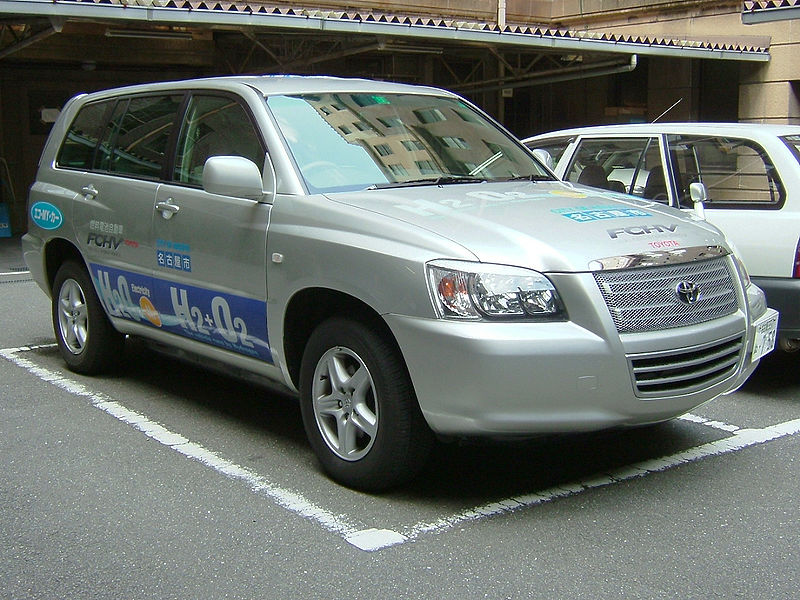 François Isaac de Rivaz, a Swiss inventor, designed the first internal combustion engine, in 1806, which was fueled by a mixture of hydrogen and oxygen and used it to develop the world's first vehicle, albeit rudimentary, to be powered by such an engine. The design was not very successful, as was the case with those of Samuel Brown, Samuel Morey, and Etienne Lenoir who each produced vehicles (adapted carriages, carts, or boats) powered by clumsy internal combustion engines.
In Russia, in the 1780s, Ivan Kulibin developed a human-pedalled, three-wheeled carriage with modern features such as a flywheel, brake, gear box, and bearings; however, it was not developed further.

